Facebook
 X
X
 Pinterest
 Copy Link
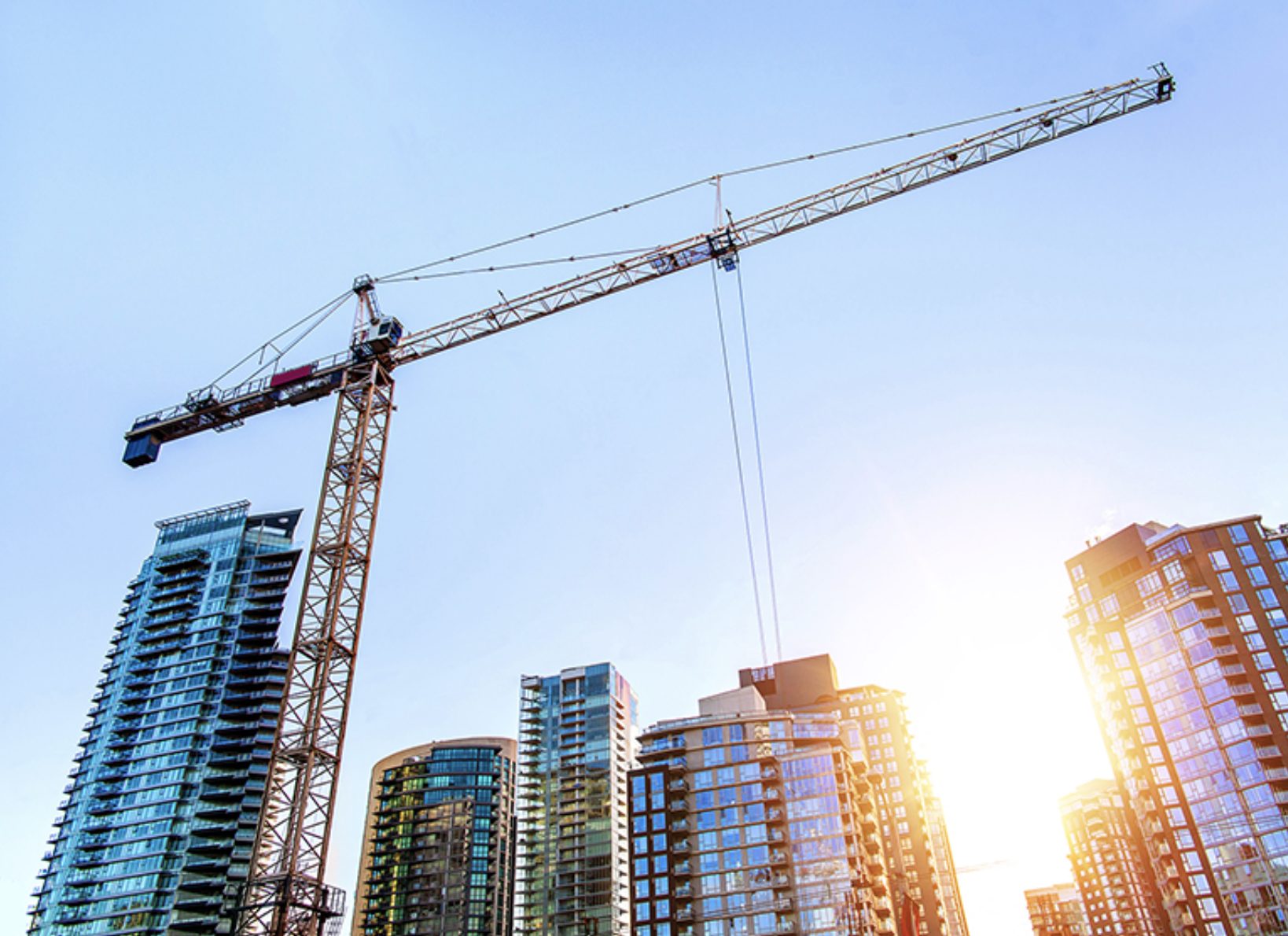
Fewer Homes Are Being Built in Canada — But Halifax Is the Exception
Quick Market Snapshot
• National ownership housing starts are near Financial Crisis–era levels
• Halifax housing starts are up ~30% year-over-year
• Most new supply in Halifax is apartments, not detached homes
Across Canada, housing headlines are starting to converge around a single theme: new housing construction is slowing, particularly in the ownership segment.
Nationally, housing starts for single-family homes and condos have fallen sharply from pandemic highs, approaching levels last seen around the Financial Crisis. Rising interest rates, higher construction costs, and tighter financing conditions have made many ownership projects difficult to justify.
When fewer homes are started today, the impact usually shows up 12–24 months later in the form of tighter supply.
That’s just simple economics.
But this is where Halifax begins to diverge from the national story.
National Housing Starts Are Cooling
Recent national data shows a clear slowdown in ownership housing starts across much of the country — and this slowdown is occurring despite continued population growth.
This dynamic has been highlighted by the Real Estate Investment Centre, which notes that Canada’s ownership housing starts are tracking near historic lows even as demand remains elevated:
https://www.reic.ca/article-nov28-25.html
Historically, periods of reduced construction tend to support prices down the road, even if sales activity softens in the short term.
Halifax Is Moving in the Opposite Direction
While many Canadian markets are seeing fewer projects break ground, Halifax housing starts are up roughly 30% year-over-year.
At first glance, that sounds like a major increase in supply. But the composition of that growth matters far more than the headline number.
The majority of new construction in Halifax is coming from:
-
Apartments
-
Purpose-built rental buildings
-
Larger multi-unit developments
Not detached or low-density ownership housing.
Why That Distinction Matters
Apartment construction adds rental supply, which is good news for tenants and helps relieve pressure in the rental market.
But for buyers competing for:
-
Single-family homes
-
Townhomes
-
Low-density ownership properties
Supply remains limited.
So while cranes are visible across the city, the segment most buyers compete in hasn’t meaningfully loosened.
What This Means for Buyers
For buyers — particularly end-users — the implications are straightforward:
-
More rental units are coming online
-
Detached and low-density homes remain scarce
-
Prices remain supported, even without widespread bidding wars
This is not a market flooding itself with supply. It’s a market adding rental supply while ownership housing stays constrained.
Headlines Can Be Dramatic. Data Is More Useful.
Nationally, housing starts are slowing.
Locally, Halifax is growing — but unevenly.
That combination helps explain why Halifax continues to behave differently than many larger Canadian markets, and why understanding what’s being built, not just how much, matters when making buying decisions.
If you’re trying to time the market, focus less on headlines and more on the structure underneath them.
That’s where the real story is.
—
Alex J. Tremblay
Award-Winning REALTOR®
CENTURY 21 Optimum Realty
902-441-2523 | alex.tremblay@century21.ca