Local Market - Forecast 23 February 2026

Halifax Real Estate Market Update: Population Growth Is Shifting West — But Halifax Remains Resilient

While much of the national conversation focuses on population growth shifting to Western Canada, the Halifax real estate market continues to show steady, sustainable fundamentals.

According to recent releases from Statistics Canada, population growth in Toronto and Vancouver has slowed to near zero, while Prairie cities like Edmonton and Calgary remain near 3%.

You can review the latest official population estimates here:
https://www150.statcan.gc.ca/n1/en/subjects/population_and_demography/population_estimates

But what does this mean for Halifax, Nova Scotia real estate?

Halifax Population Growth and Housing Demand

Halifax continues to post approximately 2% annual population growth — ahead of several larger Canadian metropolitan areas.

For the Halifax housing market, steady population growth means:

  • Continued demand for homes in Halifax

  • Strong rental market conditions

  • Support for detached home prices

  • Ongoing pressure in entry-level segments

Unlike the volatility seen in some Canadian cities, the Halifax real estate market remains balanced.

We are no longer in the 2021 bidding-war frenzy — but we are also far from a collapsing market.

Halifax Broke Immigration Records in Recent Years

It’s important to remember that Nova Scotia recently experienced record-breaking population growth.

During the post-pandemic migration surge, Halifax saw historic levels of interprovincial and international immigration — at times outperforming Prairie provinces in net population gains.

That period permanently reshaped the Halifax real estate landscape:

  • Detached home inventory tightened

  • Benchmark prices reset higher

  • Rental vacancy rates dropped

  • Multi-unit construction accelerated

Today’s Halifax housing market is structurally stronger than it was pre-2020.

Supply and Demand in the Halifax Real Estate Market

One of the most important factors supporting Halifax real estate prices is supply composition.

While construction activity has increased, much of it is focused on:

  • Apartment buildings

  • Purpose-built rentals

  • Multi-unit developments

New detached housing supply remains limited.

Steady population growth + limited single-family construction = long-term price support.

This is why Halifax home prices have remained stable compared to larger, more volatile Canadian markets.

What This Means for Buyers in Halifax

If you are looking to buy a home in Halifax:

  • You are operating in a more negotiable environment than 2021–2022

  • Interest rate stability is improving buyer confidence

  • Inventory is improving in some price bands

However, desirable detached homes in key neighbourhoods still move quickly.

What This Means for Sellers in Halifax

If you are planning to sell your Halifax property:

  • Accurate pricing strategy is critical

  • Professional marketing matters more than ever

  • Data-driven positioning wins over emotional pricing

The Halifax real estate market is no longer automatic — but well-prepared listings still attract strong interest.

The Outlook for Halifax Real Estate in 2026

While national population growth may be shifting west, Halifax continues to benefit from:

  • Military presence

  • Universities and healthcare expansion

  • Lifestyle migration

  • International immigration

These structural drivers support long-term demand.

Halifax real estate is not overheated. It is not stalled. It is stable.

And stable markets reward informed decisions.

If you would like a personalized Halifax real estate market analysis for your property or investment, feel free to reach out.

— Alex J. Tremblay
Award-Winning REALTOR®
Century 21 Optimum Realty
902-441-2523

alex.tremblay@century21.ca

PlayPlay
Market 26 January 2026

Fewer Homes Are Being Built in Canada — But Halifax Is the Exception

Fewer Homes Are Being Built in Canada — But Halifax Is the Exception

Quick Market Snapshot
• National ownership housing starts are near Financial Crisis–era levels
• Halifax housing starts are up ~30% year-over-year
• Most new supply in Halifax is apartments, not detached homes

Across Canada, housing headlines are starting to converge around a single theme: new housing construction is slowing, particularly in the ownership segment.

Nationally, housing starts for single-family homes and condos have fallen sharply from pandemic highs, approaching levels last seen around the Financial Crisis. Rising interest rates, higher construction costs, and tighter financing conditions have made many ownership projects difficult to justify.

When fewer homes are started today, the impact usually shows up 12–24 months later in the form of tighter supply.

That’s just simple economics.

But this is where Halifax begins to diverge from the national story.

National Housing Starts Are Cooling

Recent national data shows a clear slowdown in ownership housing starts across much of the country — and this slowdown is occurring despite continued population growth.

This dynamic has been highlighted by the Real Estate Investment Centre, which notes that Canada’s ownership housing starts are tracking near historic lows even as demand remains elevated:
https://www.reic.ca/article-nov28-25.html

Historically, periods of reduced construction tend to support prices down the road, even if sales activity softens in the short term.

Halifax Is Moving in the Opposite Direction

While many Canadian markets are seeing fewer projects break ground, Halifax housing starts are up roughly 30% year-over-year.

At first glance, that sounds like a major increase in supply. But the composition of that growth matters far more than the headline number.

The majority of new construction in Halifax is coming from:

  • Apartments

  • Purpose-built rental buildings

  • Larger multi-unit developments

Not detached or low-density ownership housing.

Why That Distinction Matters

Apartment construction adds rental supply, which is good news for tenants and helps relieve pressure in the rental market.

But for buyers competing for:

  • Single-family homes

  • Townhomes

  • Low-density ownership properties

Supply remains limited.

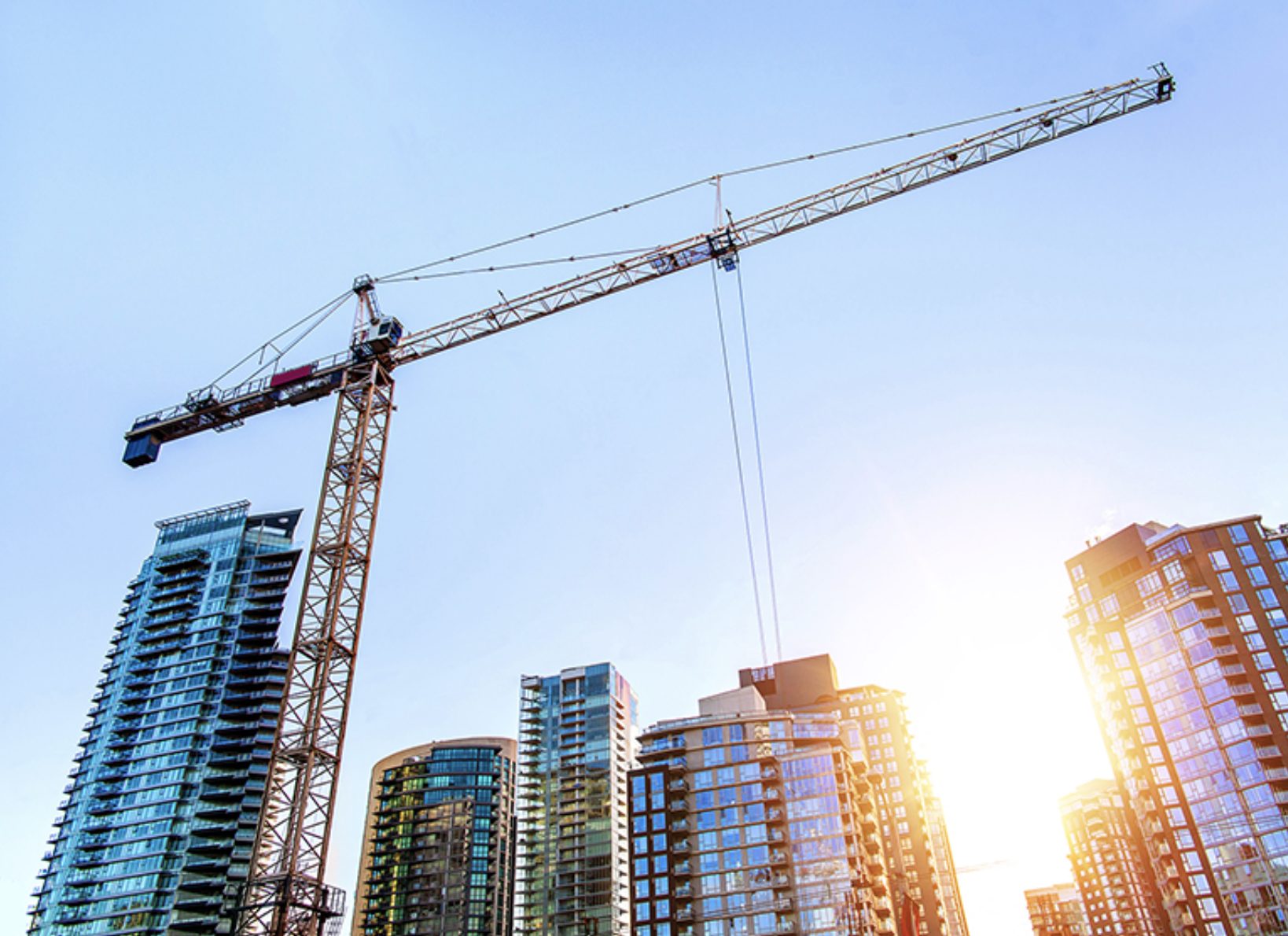
So while cranes are visible across the city, the segment most buyers compete in hasn’t meaningfully loosened.

What This Means for Buyers

For buyers — particularly end-users — the implications are straightforward:

  • More rental units are coming online

  • Detached and low-density homes remain scarce

  • Prices remain supported, even without widespread bidding wars

This is not a market flooding itself with supply. It’s a market adding rental supply while ownership housing stays constrained.

Headlines Can Be Dramatic. Data Is More Useful.

Nationally, housing starts are slowing.
Locally, Halifax is growing — but unevenly.

That combination helps explain why Halifax continues to behave differently than many larger Canadian markets, and why understanding what’s being built, not just how much, matters when making buying decisions.

If you’re trying to time the market, focus less on headlines and more on the structure underneath them.

That’s where the real story is.


Alex J. Tremblay
Award-Winning REALTOR®
CENTURY 21 Optimum Realty
902-441-2523 | alex.tremblay@century21.ca


Strategy 8 January 2026

Why January–February Is the Smartest Time to Buy in Halifax


Best time to buy a home in Halifax – January and February quietly offer some of the best buying opportunities of the year.

If you’re focused on value, leverage, and long-term upside—not just convenience—this is the window many experienced buyers watch closely.

1. Less Competition = More Leverage

Winter is traditionally quieter. Fewer active buyers means:

  • Less emotional bidding

  • More room for conditions

  • Stronger negotiating position

Instead of competing against ten offers in April, buyers in January and February often negotiate price, conditions, and closing timelines.

2. Sellers Are More Motivated

Homes listed in winter are usually not “test listings.”
Common reasons include:

  • Job relocations

  • Financial deadlines

  • Family changes

  • Listings that didn’t sell in the fall

Motivated sellers are far more open to realistic offers—especially when serious, qualified buyers show up early in the year.

3. Momentum Often Starts Before Spring Headlines

According to the Canadian Real Estate Association, Canadian home sales reached a four-year high for the month of September, signalling renewed buyer confidence and improving market conditions nationally.

You can read the full article here:
👉 https://www.crea.ca/media-hub/news/canadian-home-sales-mark-four-year-high-for-the-month-of-september-2-2/

What’s important is when this activity showed up. Increased demand appeared well before the traditional spring market, reinforcing a familiar pattern: informed buyers move early, before competition fully returns.

Halifax typically follows national trends with a slight delay. As confidence builds, buyer activity tends to increase quietly through winter before accelerating in March and April.

4. Better Due Diligence, Less Pressure

In peak spring markets, buyers are often rushed:

  • Short condition periods

  • Limited inspection flexibility

  • Emotion-driven decisions

Winter buying allows for:

  • Proper inspections

  • Thoughtful financing decisions

  • Clear-headed negotiations

That discipline often leads to better outcomes long after closing.

5. Spring Price Pressure Starts After You Buy

Historically, Halifax market activity builds in March and April. Buying before demand accelerates means:

  • You’re positioned ahead of the market

  • Comparable sales often rise after you’re already under contract

  • Appraisal risk tends to decrease, not increase

It’s not about timing the market perfectly—it’s about avoiding peak competition.

Thinking About Buying This Winter?

If you’re considering the best time to buy a home in Halifax, January and February can offer opportunities that simply don’t exist once spring competition returns.

If you’d like a clear picture of what’s available right now—or want to understand what kind of leverage buyers currently have—I’m always happy to have a no-pressure conversation. Even a short planning call can help you decide whether acting early makes sense for your situation.

When the timing is right, having a strategy already in place makes all the difference.

Alex J. Tremblay | Award-Winning REALTOR®
CENTURY 21 Optimum Realty
902-441-2523 · alex.tremblay@century21.ca

Market 5 January 2026

Fixed vs Variable Mortgage Rates in 2026: What Halifax Buyers Need to Know

One of the most common questions Halifax buyers are asking in 2026 is whether they should choose a fixed or a variable mortgage rate. After several years of rapid rate increases, the market has shifted into a more stable and predictable phase. That makes this decision less about timing the market and more about choosing what fits your financial situation and lifestyle.

Interest rates have largely normalized. While we are unlikely to return to the ultra-low rates of the past, the volatility that defined recent years has eased. Buyers now have more time, more inventory, and more room to think strategically.

Fixed-Rate Mortgages: Stability and Predictability

A fixed-rate mortgage locks in your interest rate for a set term, usually three or five years. Your monthly payment stays the same regardless of market changes.

This option works well for buyers who value certainty. It makes budgeting easier and removes the stress of potential rate increases. Fixed rates are especially popular with first-time buyers, families, and anyone operating within a tighter monthly budget.

The trade-off is flexibility. Fixed rates typically start slightly higher than variable rates, and breaking a fixed mortgage early can result in higher penalties.

Variable-Rate Mortgages: Flexibility and Long-Term Potential

A variable-rate mortgage moves with the lender’s prime rate. Depending on the product, your payment or amortization may adjust as rates change.

Variable rates often start lower and have historically resulted in lower overall interest costs for long-term homeowners. They also tend to offer greater flexibility if you plan to sell, refinance, or adjust your financing strategy.

However, they require comfort with uncertainty. Payment changes can affect cash flow, which makes variable rates less suitable for buyers who need absolute predictability.

The Reality in 2026

In today’s Halifax market, choosing between fixed and variable is not about trying to beat the system. It’s about aligning your mortgage with your real-life priorities.

A slightly higher fixed rate can be the better decision if it protects your monthly budget and allows you to hold the property comfortably. On the other hand, a variable rate can make sense if you have financial flexibility and a longer-term outlook.

What matters most is not choosing the “perfect” rate, but choosing a mortgage that supports your ability to own the home confidently.

What I’m Seeing Locally

In 2026, many first-time buyers are leaning toward fixed rates for peace of mind. Move-up buyers are more evenly split, while investors often favour variable rates for flexibility and long-term planning.

There is no universal answer. The right choice depends on income stability, ownership timeline, and tolerance for change.

Final Thought

Your mortgage should fit your life, not create stress. Before deciding between fixed and variable, consider how stable your income is, how long you expect to own the property, and whether you could absorb a payment increase if rates move.

If you’re buying in Halifax or the surrounding HRM and want to talk through real scenarios before making a decision, I’m always happy to help connect the dots.

Alex J. Tremblay | Award-Winning REALTOR®
CENTURY 21 Optimum Realty
902-441-2523 · alex.tremblay@century21.ca

Local Market - Forecast 1 January 2026

Halifax Real Estate Market Outlook 2026

What Buyers, Sellers, and Investors Should Know

As we move into 2026, the Halifax real estate market has entered a more stable and predictable phase. After several years of rapid price growth, shifting interest rates, and intense competition, the market across Halifax Regional Municipality (HRM) is now better described as balanced.

This shift does not signal weakness — rather, it reflects a market where strategy, preparation, and local knowledge matter more than timing headlines.

Halifax Real Estate at a Glance — 2026 Outlook

Market Indicator 2026 Outlook What This Means for Buyers & Sellers
Overall Market Balanced Success depends on strategy, not speed
Home Prices Modest, steady growth Accurate pricing is critical
Inventory Levels Improving, still constrained Buyers have more choice, but supply remains tight
Buyer Competition More selective Fewer bidding wars than peak years
Interest Rates Stable to moderate Affordability drives decision-making
Days on Market Normalized Preparation and presentation matter
Rental Vacancy Rate ~2.7% Rental market is easing slightly but remains tight
Rental Demand Strong Continued interest from investors

Market Pulse (2026)
Buyer leverage: ▓▓▓▓░░
Seller leverage: ▓▓▓▓░░
Investor opportunity: ▓▓▓▓▓░
Market stability: ▓▓▓▓▓▓

Rental Market Snapshot: Why Vacancy Rates Matter

According to data from the Halifax Partnership Economic Dashboard, Halifax’s apartment rental vacancy rate has risen to approximately 2.7%, up from historic lows below 2% seen in prior years.

While this represents a slight easing, it is important to note:

  • A balanced rental market is often considered to be between 3% and 5%

  • Halifax remains below that threshold, meaning rental demand is still strong

  • Purpose-built rental construction is helping supply, but population growth continues to apply pressure

For investors, this suggests continued stability rather than oversupply. For buyers, it reinforces the long-term value of ownership in a market where rental demand remains elevated.

What This Means for Buyers in 2026

Buyers in 2026 are more informed and deliberate than in past cycles. Financing conditions and monthly affordability are top of mind, and conditional offers (financing and inspection) have become standard again.

Successful buyers tend to:

  • Secure pre-approval early

  • Focus on long-term suitability rather than short-term price movement

  • Stay flexible on neighbourhoods and property types

In a balanced market, patience is rewarded — but decisive action still matters when the right opportunity appears.

What This Means for Sellers Across HRM

For sellers, the days of pricing aggressively and letting the market correct are largely behind us. In 2026, execution matters.

Homes that perform well typically include:

  • Data-driven pricing based on current conditions

  • Professional staging and photography

  • Strong online marketing and clear negotiation strategy

Properties that are well-presented and realistically priced continue to sell efficiently, even in a more balanced environment.

Neighbourhoods Expected to Perform Well in 2026

Halifax is a city of micro-markets, and performance varies widely by location and property type. That said, several areas continue to show strong fundamentals going into 2026:

📍 Bedford

  • Consistent demand from families

  • Strong schools and commuter access

  • Stable performance for single-family homes and townhouses

📍 Clayton Park

  • Popular with professionals and families

  • Mix of owner-occupied homes and rentals

  • Proximity to services, transit, and employment hubs

📍 Dartmouth (Central & Eastern)

  • Continued appeal due to amenities, waterfront access, and transit

  • Attractive to both end-users and investors

  • Ongoing revitalization supporting long-term value

📍 Halifax South End

  • Strong lifestyle demand (walkability, universities, hospitals)

  • Stable price support even during market slowdowns

  • High rental demand relative to supply

📍 Halifax West End

  • Tree-lined streets and established housing stock

  • Popular with families and renovators

  • Strong long-term owner-occupier appeal

As always, street-by-street and property-specific factors matter. Broad neighbourhood trends are only part of the picture.

What This Means for Investors

Halifax continues to offer compelling fundamentals for residential real estate investors:

  • Rental demand remains strong relative to supply

  • Vacancy rates remain below balanced levels

  • Duplexes, secondary suites, and well-located rentals continue to perform

In 2026, investors benefit from disciplined underwriting, conservative assumptions, and a focus on cash-flow sustainability rather than speculative appreciation.

Final Thoughts: Halifax Real Estate in 2026

Halifax is not entering a boom phase — but it remains a resilient, opportunity-driven market supported by population growth, economic diversification, and long-term housing demand.

For buyers, sellers, and investors alike, 2026 rewards those who:

  • Understand local conditions

  • Prepare thoroughly

  • Make informed, strategic decisions

The goal is not to chase the market — it’s to navigate it confidently.

Thinking about buying, selling, or investing in Halifax in 2026?

I work with buyers, sellers, investors, and relocating clients across HRM, providing data-driven strategy, professional marketing, and disciplined execution.

If you’d like a neighbourhood-specific outlook or want to talk through your options, feel free to reach out — I’m always happy to help.


Alex J. Tremblay | Award-Winning REALTOR®
CENTURY 21 Optimum Realty
902-441-2523 · alex.tremblay@century21.ca


Local Market - Forecast 28 September 2024

Halifax, NS – Top Neighborhoods to Watch in 2024

Halifax Real Estate Market in 2024: What to Expect

If you’re planning to buy in Halifax, you’ll want to keep a close eye on these top-ranked neighborhoods, which offer a compelling mix of affordability, lifestyle, and investment potential. Below, you’ll find a table that outlines the year-over-year percentage change in home prices for 2023–2024, providing valuable insight into the areas experiencing the most growth.

Rank Neighborhood Why It’s a Top Choice YoY % Change (2023–2024)
1 Cole Harbour Affordable homes, close to nature, and ideal for first-time buyers. +5.2%
2 Woodside-Eastern Passage Coastal living with easy access to downtown Halifax. +6.1%
3 Waverley-Fall River-Beaver Bank Larger properties, suburban feel, great for families. +4.8%
4 East Dartmouth-The Lakes Close to lakes and parks, offering scenic surroundings. +4.3%
5 Timberlea-Prospect Expanding suburban area with new developments, ideal for growing families. +5.0%
6 Hammonds Plains-St. Margarets A blend of rural charm and suburban convenience, perfect for those seeking more space. +3.9%
7 Portland-East Woodlawn Affordable housing options with easy access to amenities. +4.7%
8 Preston-Lawrencetown-Chezzetcook Known for its coastal charm and larger properties. +6.3%
9 Spryfield-Herring Cove Growing popularity with more affordable homes and beautiful coastal views. +5.5%
10 Middle & Upper Sackville-Lucasville Offering a mix of rural and suburban living with larger lot sizes. +4.1%

Source: Money Sense


As we move into 2024, the Halifax real estate market continues to offer promising opportunities for both buyers and sellers. With its increasing reputation as the economic center of the Maritimes, Halifax Regional Municipality (HRM)—which includes Halifax, Dartmouth, and Bedford—remains a top choice for homebuyers seeking a blend of urban convenience and coastal living.

After experiencing market fluctuations in 2023, mainly due to rising interest rates that slowed down buyer activity, 2024 is poised for a rebound. Experts predict that while the first half of the year may start slowly, we can expect a surge in activity by the second half as mortgage rates begin to stabilize, encouraging more buyers to re-enter the market.

Why Invest in Halifax Real Estate?

Halifax’s appeal lies in its diversity. From bustling downtown condos to spacious suburban homes, there’s truly something for everyone. Whether you’re a first-time homebuyer, a family searching for more space, or an investor looking for rental income, Halifax offers a variety of opportunities to suit different needs.

Market Trends for 2024

The Halifax real estate market experienced steady price growth in 2023, with the benchmark price reaching $530,900 by August. However, as interest rates rose, the market slowed, especially in the latter part of the year. Moving forward, 2024 is expected to see a resurgence, with increased activity in the second half. This uptick could lead to a rise in inventory, as more sellers decide to list their homes, providing much-needed options for buyers.

What Does This Mean for Buyers and Sellers?

For buyers, this anticipated market shift means that opportunities are on the horizon. As more homes become available, especially in the suburbs, you’ll have a greater selection—particularly in properties priced between $400,000 and $600,000, which are expected to attract more attention.

On the other hand, sellers should prepare for a more competitive market, especially in the latter part of the year. If you’re considering selling, now is the time to start getting your property market-ready so it stands out when demand increases.

Final Thoughts

With Halifax’s unique blend of vibrant urban life and peaceful coastal settings, 2024 is shaping up to be an exciting year for real estate. Whether you’re buying or selling, staying informed about market trends and working with an experienced local REALTOR® will help you make the most of this dynamic market.

As always, I’m here to help. Feel free to reach out if you’d like to discuss your next move!

Best,

A.